
Introduction
Running a modern club involves balancing two constant priorities. Members expect seamless experiences across bookings, payments, and services, while management teams are under pressure to control costs and improve profitability. Manual processes and disconnected systems make this balance harder to achieve.
Clubs that are growing consistently today are doing so by rethinking how their operations are managed. They are adopting integrated digital systems that bring together membership management, bookings, billing, analytics, and day-to-day operations into a single workflow. This shift enables better visibility, smarter decision-making, and a stronger member experience.
Here are some proven ways clubs are amplifying revenue, increasing bookings, and reducing operational costs.
Simplifying Bookings to Increase Utilization
One of the most common revenue leakages in clubs comes from underutilized facilities. Courts, banquet halls, dining spaces, and activity rooms often remain vacant simply because booking processes are manual or limited to office hours.
Digital booking systems allow members to view availability and make reservations anytime through mobile or web applications. This convenience leads to higher participation and better utilization of club amenities. Automated confirmations and reminders also reduce no-shows and last-minute cancellations.
When bookings are centralized, clubs gain visibility into peak and off-peak usage, making it easier to plan pricing, staffing, and promotions.
Strengthening Membership Engagement Through Centralized Data
Membership data is one of the most valuable assets a club has, yet it often sits scattered across spreadsheets, registers, and disconnected systems. Without a unified view, it becomes difficult to understand member behavior or design meaningful engagement initiatives.
A centralized membership and CRM system helps clubs track member activity, preferences, usage patterns, and communication history. This allows management teams to design targeted offers, promote relevant events, and create personalized experiences for different member segments.
Better engagement leads to improved renewals, higher participation in paid activities, and stronger long-term loyalty.
Improving Cash Flow with Integrated Payments and Billing
Delayed payments and manual invoicing add unnecessary pressure on club finances. Automated billing and online payment options simplify this process for both members and administrators.
When members can pay subscriptions, event fees, and service charges digitally, collections become faster and more predictable. Automated reminders reduce follow-ups and minimize outstanding dues. From an operations standpoint, integrated billing reduces reconciliation effort and accounting errors.
This streamlined flow improves cash visibility and frees up staff time for more value-driven tasks.
Controlling Costs Through Smarter Inventory and Resource Management
Operational costs tend to rise quietly through inefficient inventory management, wastage, and overstaffing. Clubs that rely on estimates instead of data often struggle to control these expenses.
Digital inventory management enables clubs to track stock levels in real time, monitor consumption trends, and plan procurement more accurately. This is especially critical for food and beverage operations, retail counters, and activity-based services.
Resource planning also becomes easier when usage data is available. Staffing, maintenance, and scheduling decisions can be aligned with actual demand rather than assumptions.
Driving Revenue Through Well-Managed Events and Programs
Events, tournaments, workshops, and cultural programs play a major role in club revenue and engagement. Managing these initiatives manually can be time-consuming and prone to errors.
Automated event management allows clubs to publish schedules, accept registrations, collect payments, and track attendance digitally. Communication becomes easier with automated notifications and reminders sent to members.
Over time, clubs can analyze which events perform best, which member groups participate more actively, and where pricing or scheduling adjustments can improve returns.
Making Informed Decisions with Real-Time Insights
Operational data has limited value if it is not accessible or easy to interpret. Clubs need clear visibility into performance across memberships, bookings, revenue, and expenses.
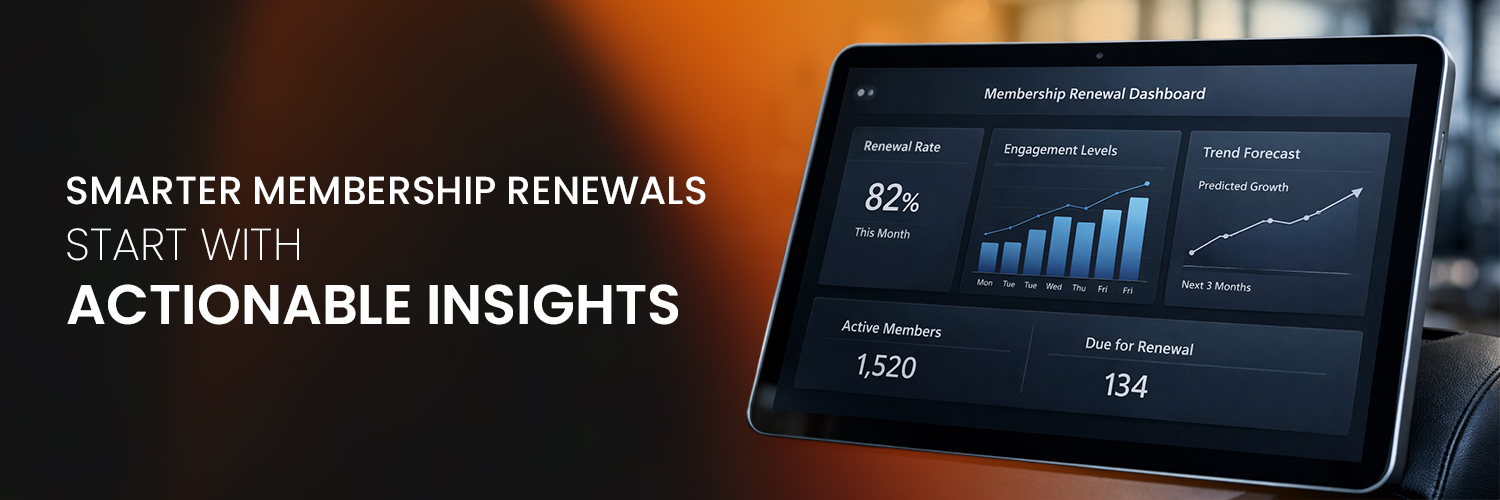
Dashboards and reports provide management teams with real-time insights into key metrics. This includes facility utilization, revenue by service, payment trends, and member engagement levels. With this information, decisions around pricing, investments, and service improvements become more confident and timely.
Data-driven planning reduces guesswork and helps clubs stay financially resilient.
Enhancing Member Experience Across Touchpoints
Every interaction a member has with the club shapes their perception. Slow processes, unclear communication, or limited self-service options can impact satisfaction over time.
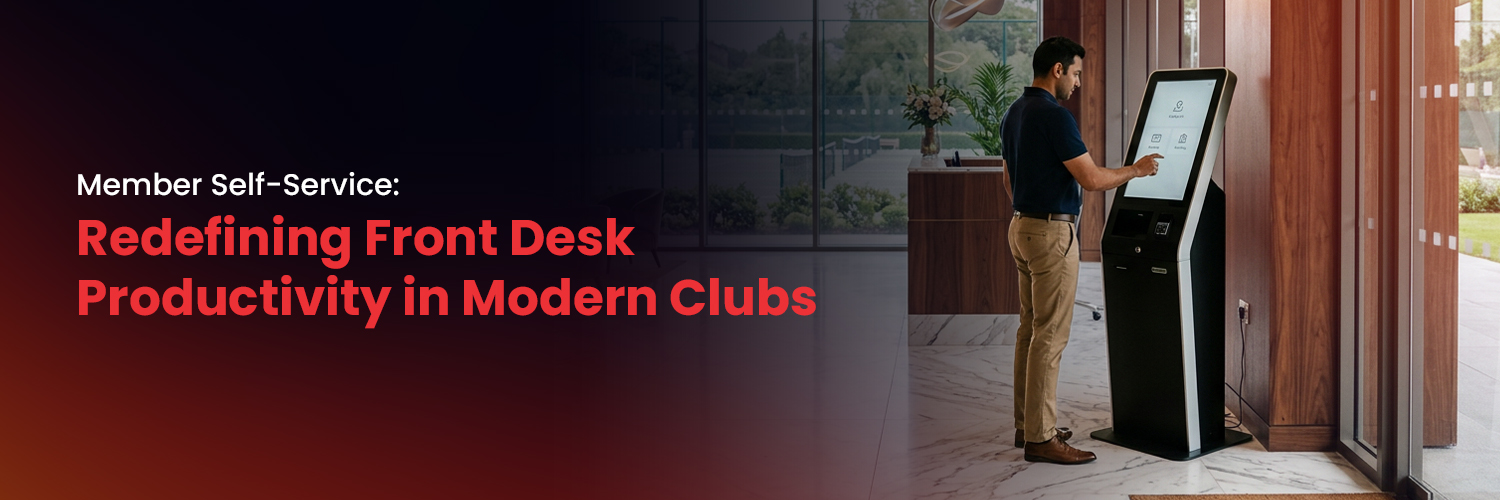
A digital-first experience allows members to manage profiles, book facilities, view invoices, make payments, and stay updated on club activities with minimal effort. When routine interactions are smooth, members are more likely to explore additional services and remain engaged.
A better experience directly influences retention, referrals, and overall brand perception.
How eCube Supports Revenue Growth and Cost Optimization
eCube is designed to bring all these capabilities together into a single, integrated club management platform. It helps clubs streamline operations while creating a consistent and engaging experience for members.
With eCube, clubs can manage memberships, bookings, billing, events, inventory, and reporting through one centralized system. Integrated analytics provide visibility into performance and member behavior, supporting smarter operational and financial decisions.
The platform also supports mobile access for members and staff, online payments, and hardware integrations such as access control and POS systems. This ensures that both digital and on-ground operations work together seamlessly.
By reducing manual effort, improving utilization, and enabling data-led decision-making, eCube helps clubs grow revenue while keeping operational costs under control.
Conclusion
Clubs that want to grow sustainably need more than incremental improvements. They need systems that simplify operations, enhance member engagement, and provide clear visibility into performance.
Digital transformation enables clubs to unlock new revenue opportunities, improve booking efficiency, and manage costs more effectively. With an integrated platform like eCube, clubs can focus on delivering better experiences while maintaining strong operational discipline.
The result is a smarter, more connected club environment that benefits members, staff, and management alike.
FAQs
1. How can clubs increase revenue without raising membership fees?
Clubs can increase revenue by improving facility utilization, promoting events more effectively, offering online bookings, and using member data to design targeted offers. Digital systems help unlock these opportunities without changing membership pricing.
2. How does digital booking help improve club profitability?
Digital booking allows members to reserve facilities anytime, reduces idle time for amenities, minimizes no-shows through automated reminders, and helps clubs analyze demand patterns to optimize pricing and scheduling.
3. What role does member data play in boosting club engagement?
Centralized member data helps clubs understand usage patterns, preferences, and engagement levels. This enables personalized communication, relevant promotions, and better-designed programs that encourage repeat usage and renewals.
4. How can clubs reduce operational costs through automation?
Automation reduces manual effort in billing, payments, inventory management, and reporting. This lowers staffing dependency, minimizes errors, reduces wastage, and improves overall operational efficiency.
5. Why is integrated billing and online payment important for clubs?
Integrated billing and online payments improve cash flow, reduce delays in collections, simplify reconciliation, and offer convenience to members. This creates a smoother financial workflow for both members and administrators.
6. How does inventory management impact club expenses?
Accurate inventory tracking helps prevent overstocking, pilferage, and last-minute shortages. Data-driven inventory planning ensures better cost control, especially for food and beverage and activity-based services.
7. What insights can club management gain from analytics and reports?
Analytics provide visibility into revenue by service, facility utilization, member participation, and payment trends. These insights support informed decisions related to pricing, staffing, promotions, and investments.
8. How does eCube support clubs in achieving these outcomes?
eCube offers an integrated club management platform that brings together membership management, bookings, billing, events, inventory, analytics, and mobile access. This unified approach helps clubs improve revenue performance while keeping operational costs under control.