
Why Club Leaders Need to Look Beyond Their Industry in 2026
Club leaders are operating in an environment that is changing faster than ever before. Member expectations are no longer shaped only by other clubs. They are influenced by the seamless digital experiences people encounter in retail stores, hotels, and online platforms every day. Whether it is instant bookings, personalized recommendations, or frictionless payments, these experiences have become the standard.
For leisure clubs, residential communities, gymkhanas, sports clubs, and recreational facilities, this shift presents both a challenge and an opportunity. Many clubs still rely on disconnected systems, manual processes, and limited visibility into operations. This often leads to delays, inefficiencies, and missed opportunities to engage members in meaningful ways.
At the same time, industries like hospitality and retail have moved ahead by adopting integrated platforms, real-time analytics, and automation. These sectors have shown how technology can simplify operations while improving customer satisfaction and revenue outcomes.
This blog explores the key lessons club leaders can draw from hospitality and retail technology in 2026. It also highlights how these lessons can be applied to modern club management, with a focus on unified operations and analytics as a foundation for growth.
The Innovation Gap in Club Management
Across many clubs, common challenges continue to limit progress:
- Fragmented systems for membership, billing, and facility management
- Manual tracking of bookings, payments, and inventory
- Limited insights into member behavior and preferences
- Difficulty in managing multiple amenities and service areas
- High dependency on staff for routine operations
These issues are not new, but they become more visible when compared to the efficiency seen in retail and hospitality. For example, hotels manage reservations, housekeeping, billing, and guest experiences through integrated platforms. Retail businesses track customer journeys, preferences, and transactions in real time.
Clubs that continue to operate with outdated models risk falling behind in both member satisfaction and operational efficiency.
Lesson 1: Unified Operations Create Clarity and Control
One of the strongest takeaways from hospitality and retail is the shift toward unified platforms. Instead of using multiple disconnected tools, businesses bring all operations into a single system.
For clubs, this means:
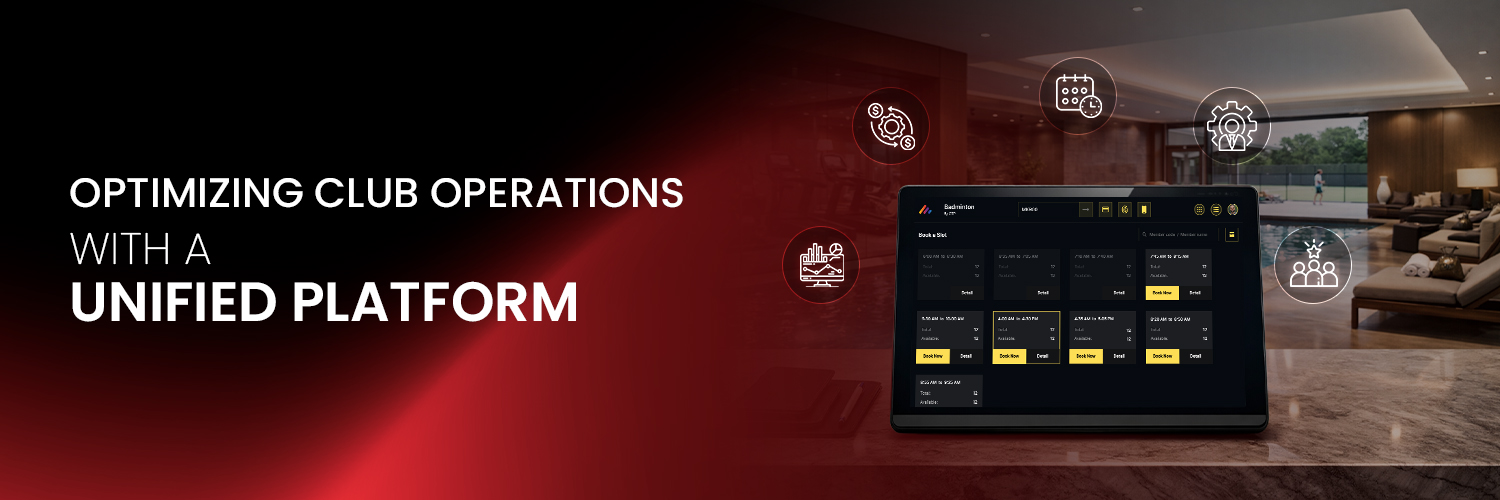
- Managing memberships, bookings, events, and billing from one platform
- Connecting front desk, restaurant POS, and facility management
- Centralizing data for better coordination across departments
A unified approach reduces errors and improves visibility. It allows club managers to see what is happening across the entire facility without switching between systems.
Solutions like eCube are built around this concept, offering a fully integrated system that connects operational and administrative activities in one place . This level of integration is essential for clubs managing multiple services and large member bases.
Lesson 2: Data-Driven Decisions Improve Member Experience
Retail and hospitality leaders rely heavily on data to guide decisions. They track customer behavior, preferences, and spending patterns to improve offerings.
Clubs can apply the same approach by using analytics to answer key questions:
- Which amenities are most used and at what times?
- Which events drive the highest engagement?
- Which members are at risk of disengagement?
- What services contribute most to revenue?
With access to real-time insights, club leaders can:
- Plan better events and programs
- Optimize resource allocation
- Improve member retention
- Identify new revenue opportunities
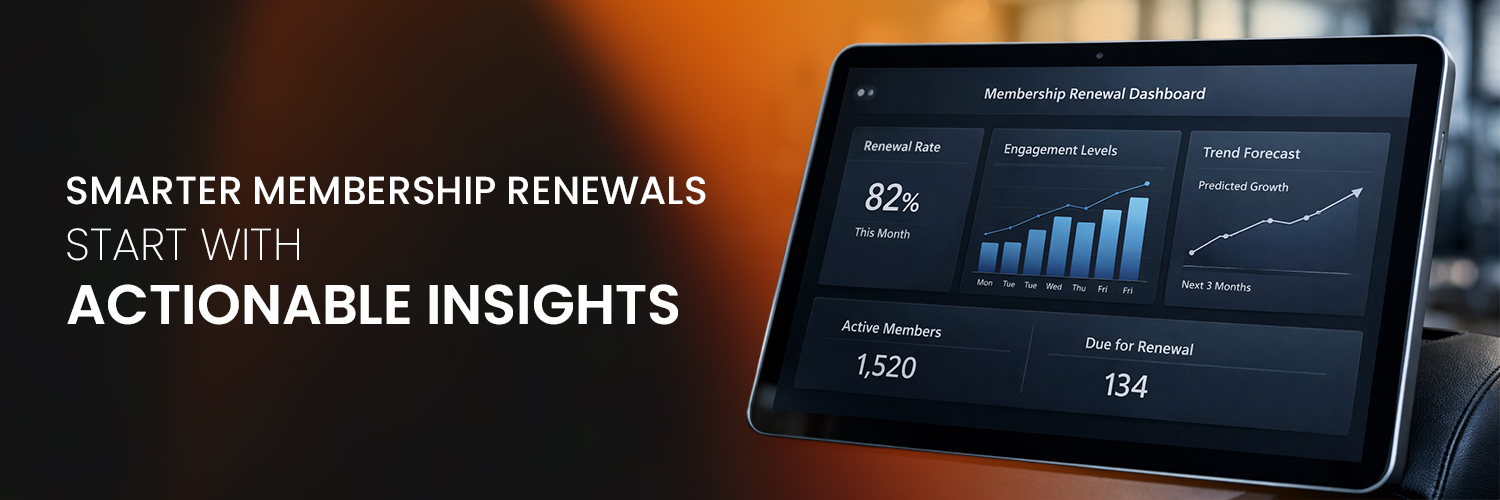
eCube’s built-in business intelligence capabilities allow clubs to analyze member activity and operational performance through dashboards and reports. This helps decision-makers move from assumptions to informed actions.
Lesson 3: Automation Reduces Operational Burden
Automation is a key driver of efficiency in both retail and hospitality. Routine tasks such as billing, inventory updates, and booking confirmations are handled automatically.
For clubs, automation can simplify:
- Membership registration and renewals
- Facility bookings and scheduling
- Payment processing and invoicing
- Inventory and stock management
- Entry and access control
This reduces manual work and minimizes errors. It also allows staff to focus on member engagement rather than administrative tasks.
Many clubs still rely on manual processes, which increases workload and slows down operations. Moving to an automated system can significantly improve speed and accuracy.
Lesson 4: Seamless Member Experience is a Competitive Advantage
In retail and hospitality, customer experience is a key differentiator. The same applies to clubs.
Members expect:
- Easy online bookings
- Quick and secure payments
- Access to services through mobile apps
- Real-time updates and notifications
Clubs that deliver these experiences are more likely to retain members and attract new ones.
Modern platforms provide mobile and web applications that allow members to:
- Book facilities and events
- View account details and invoices
- Make payments online
- Stay updated on club activities
This level of convenience enhances the overall club experience and strengthens member engagement.
Lesson 5: Hardware and Software Integration Enhances Control
A unique aspect of club management is the need for physical access control and facility monitoring. Hospitality systems have already integrated hardware with software to manage operations efficiently.
Clubs can benefit from similar integrations, such as:
- Biometric and RFID-based access control
- Turnstile and gate management systems
- POS systems for restaurants and amenities
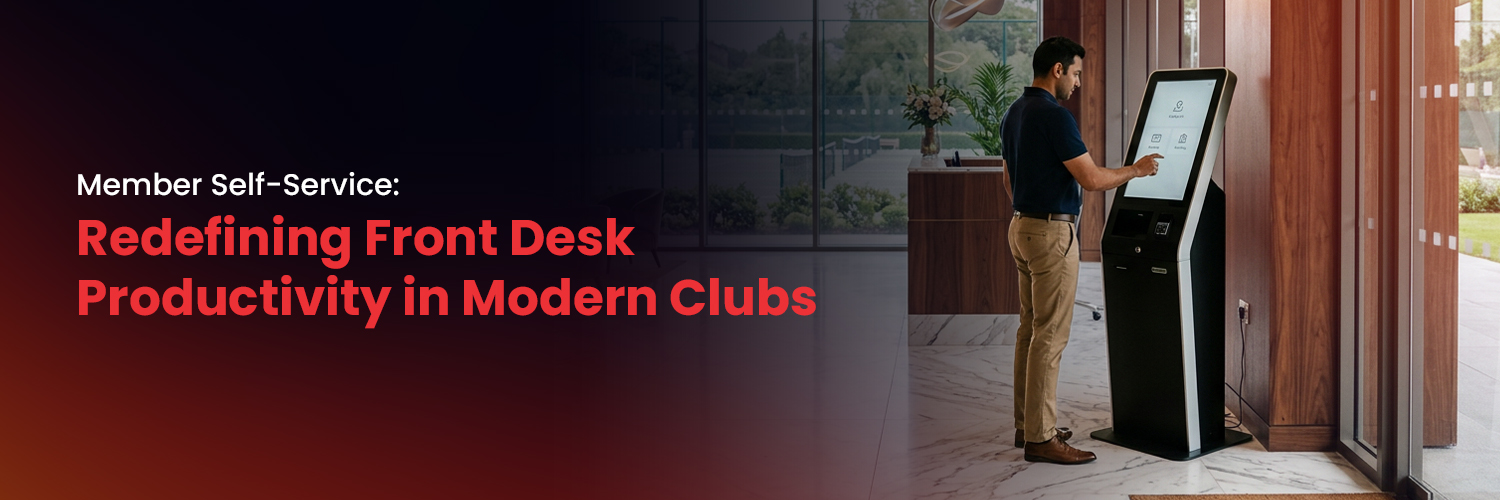
- Kiosks and touchpoints for member interaction
eCube combines software with hardware integrations to create a connected ecosystem for club operations. This ensures better security, accurate tracking, and smoother member experiences.
Applying These Lessons to Club Strategy
To move forward, club leaders should focus on a structured approach:
- Assess current systems and identify gaps in integration
- Adopt unified platforms to centralize operations
- Leverage analytics to guide decisions
- Automate routine processes to improve efficiency
- Enhance member touchpoints through digital tools
This approach helps clubs transition from reactive management to proactive leadership.
Conclusion: Building the Next Generation of Clubs
The gap between traditional club management and modern digital experiences is becoming more visible. Hospitality and retail have already demonstrated what is possible with the right technology and strategy.
For leisure clubs, residential communities, gymkhanas, sports clubs, and recreational facilities, the path forward lies in adopting unified operations and data-driven decision-making.
Platforms like eCube bring together operations, analytics, and member engagement into a single system, enabling clubs to operate more efficiently and deliver better experiences.
Club leaders who embrace these lessons will be better prepared to meet evolving expectations, improve operational performance, and create lasting value for their members.
FAQs
1. Why should club leaders learn from hospitality and retail industries?
Hospitality and retail industries have advanced in areas like automation, customer experience, and data-driven decision-making. Club leaders can adopt these practices to improve operations, enhance member engagement, and stay competitive.
2. What are the key challenges faced by modern clubs today?
Many clubs face issues such as outdated systems, manual processes, lack of real-time insights, and difficulty in managing multiple facilities and services efficiently.
3. How does technology improve club operations?
Technology helps automate routine tasks, centralize operations, provide real-time analytics, and simplify processes like bookings, payments, and member management.
4. What is the benefit of using a unified club management system?
A unified system connects all club functions such as membership, billing, events, and amenities into one platform, reducing errors, improving visibility, and making operations more efficient.
5. How can data analytics help club leaders?
Data analytics provides insights into member behavior, facility usage, and revenue trends. This helps leaders make informed decisions, improve services, and increase member satisfaction.
6. What role does automation play in club management?
Automation reduces manual work by handling tasks like invoicing, bookings, and renewals. This improves accuracy and allows staff to focus more on member experience.
7. How does eCube support modern club management?
eCube offers a fully integrated platform with unified operations, analytics, automation, and hardware integration, helping clubs streamline processes and enhance member engagement.
8. What types of clubs can benefit from solutions like eCube?
Leisure clubs, residential communities, gymkhanas, sports clubs, and recreational facilities can all benefit from adopting modern club management platforms like eCube.