Introduction: Clubs Are No Longer Simple Spaces to Manage
In 2026, running a leisure club looks very different from how it did even five years ago. Club owners and promoters are now expected to manage far more than memberships and bookings. Today’s leisure clubs, residential communities, gymkhanas, sports clubs, and recreational facilities operate like complex service businesses. They handle access control, food and beverage operations, events, fitness programs, payments, member engagement, and detailed reporting, often across multiple locations.
Yet, many clubs still rely on a patchwork of tools. One system for memberships. Another for billing. A separate POS for restaurants. Standalone hardware for gates, biometrics, or RFID. Each system works in isolation, creating gaps in data, delays in decision-making, and higher operational costs.
This growing gap between how clubs operate and how they are managed is forcing a shift in thinking. Instead of adding more tools, clubs now need a single operating system. One platform that connects people, processes, software, and hardware into a unified experience. This is where the idea of the modern club operating system takes shape.
The Real Cost of Tool Sprawl in Club Operations
Tool sprawl is one of the biggest silent challenges for club owners today. It rarely shows up as a single problem. Instead, it appears in small daily frustrations that add up over time.
Common issues include:
- Staff switching between multiple systems to complete one task
- Member data scattered across different platforms
- Manual reconciliation between POS, accounting, and membership records
- Limited visibility into real-time performance
- Higher training and support costs for different tools
For leisure clubs and sports clubs with high footfall, even minor delays at entry gates, billing counters, or booking desks affect member satisfaction. For residential communities and gymkhanas, disconnected systems often lead to disputes, missed payments, and poor engagement.
Most importantly, fragmented systems make it difficult for club owners to see the full picture. Decisions are based on partial data rather than clear operational insight.
Why 2026 Changes the Rules for Club Management
The expectations placed on clubs are evolving rapidly. Members now expect:
- Seamless digital experiences across web and mobile
- Cashless payments and instant confirmations
- Faster entry and access using smart cards or biometrics
- Personalized communication and offers
- Transparency in billing and usage
At the same time, club promoters are under pressure to control costs, improve revenue per member, and maintain high service standards with lean teams. Managing this balance with disconnected tools is no longer sustainable.
In 2026, clubs that continue with fragmented systems will struggle to scale, adapt, or compete. The future belongs to clubs that operate on a unified platform that acts as the backbone of their business.
Benefits of a Unified Platform
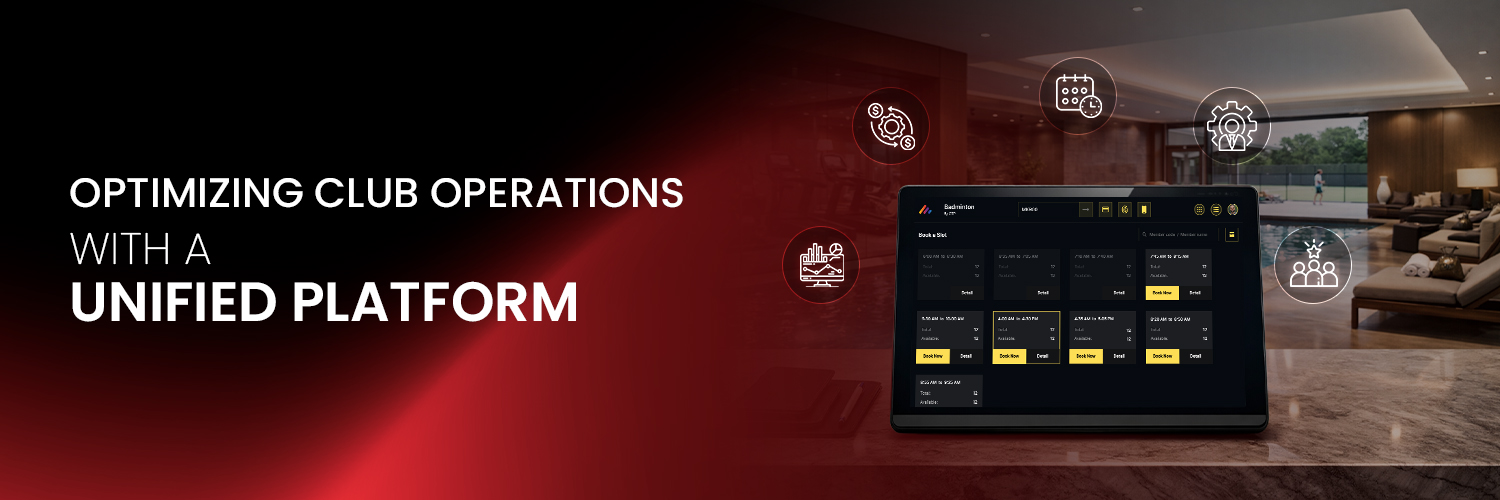
A unified platform removes complexity and enables smoother, smarter operations.
It brings together:
- Membership and CRM
- Access control and entry management
- POS for restaurants, cafes, and bars
- Facility, event, and amenity bookings
- Accounting, billing, and reporting
- Member and staff mobility through apps
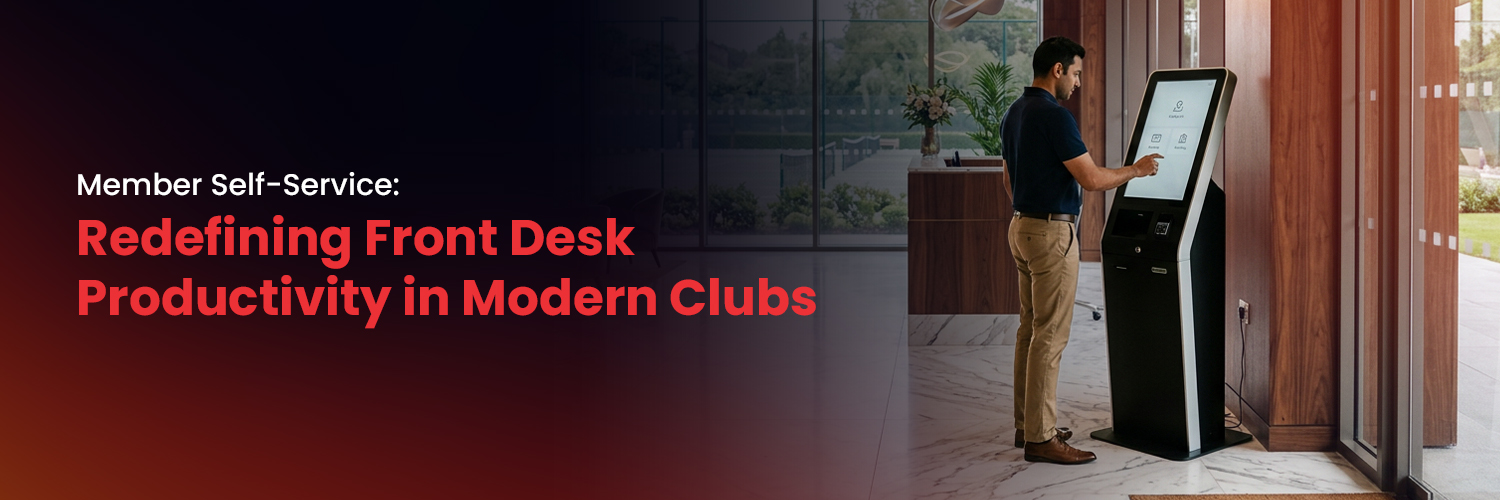
- Hardware integrations such as biometrics, RFID, turnstiles, and kiosks
Instead of data moving between systems, everything flows through one core platform. This creates consistency, accuracy, and speed across operations.
Platform Strategy vs Point Solutions
Most clubs still rely on multiple systems to meet their immediate needs: A POS to fix billing. An access system to control entry. A mobile app to engage members. Over time, this leads to a complex and fragile setup.
A platform strategy takes a different approach. It focuses on long-term operational clarity rather than short-term fixes.
With a platform approach:
- Data lives in one system, not many
- Reports reflect real activity across the club
- New features can be added without disruption
- Hardware and software work as one unit
- Staff training becomes simpler and faster
For large leisure clubs, sports clubs, and recreational facilities, this approach reduces risk while improving control.
Synergy between Hardware and Software
A major gap in club technology today is the disconnect between software and physical infrastructure. Entry gates, biometric devices, POS machines, and access cards often operate independently of core systems.
When hardware is fully integrated into the operating platform:
- Member entry updates usage records instantly
- POS transactions reflect in member accounts in real time
- Access rights are enforced automatically based on membership status
- Security, convenience, and accuracy improve together
For clubs, this tight integration reduces misuse, manual checks, and disputes. It also improves throughput during peak hours without compromising control.
How Does an All-in-One Platform Streamline Daily Operations?
An all-in-one platform streamlines these processes by centralizing everything in one place, making it easier to manage schedules, memberships, payments, and communications efficiently.
The result? Smoother operations, less administrative burden, and more time to focus on what really matters—growing and engaging your club.
For owners and promoters:
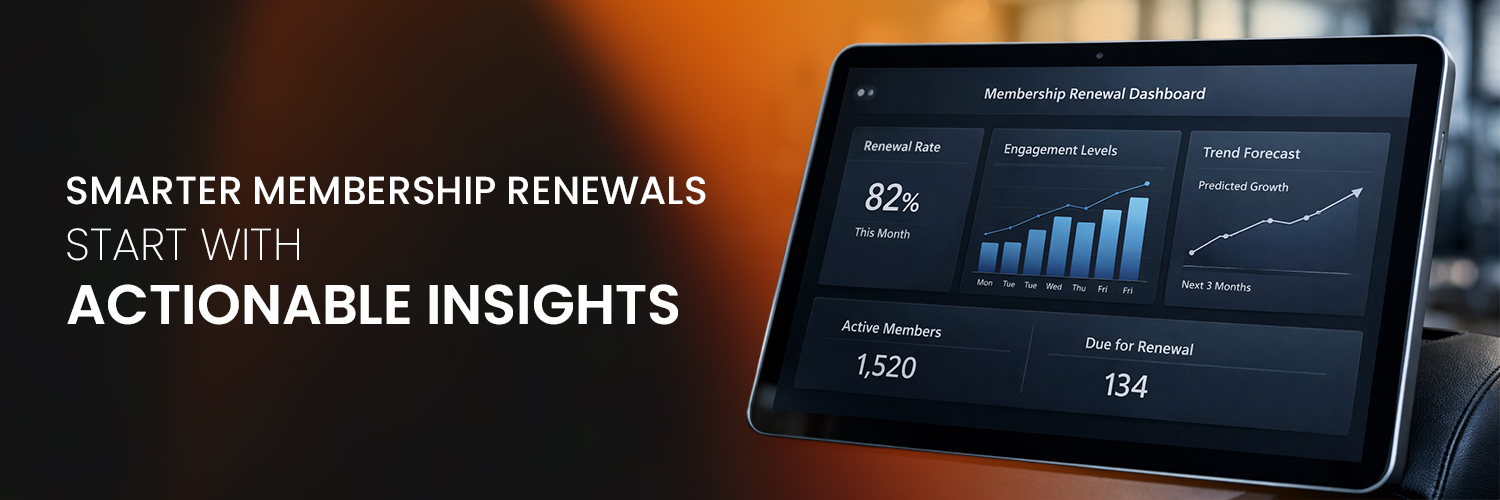
- A single dashboard for business performance
- Clear visibility into revenue, costs, and utilization
- Better planning using reliable data
For managers and staff:
- One system to learn and use
- Faster execution of daily tasks
- Fewer errors and manual interventions
For members:
- Easy bookings and payments
- Consistent experiences across facilities
- Faster service and better communication
This alignment between stakeholders is what makes a unified platform valuable.
eCube as the Modern Club Operating System
eCube is designed around this platform-first philosophy. It brings together software and hardware into a single, integrated operating system for leisure clubs, residential communities, gymkhanas, sports clubs, and recreational facilities.
Instead of managing multiple vendors and tools, clubs operate through one centralized platform that covers memberships, POS, accounting, bookings, access control, mobility, and analytics. The result is smoother operations, better member experiences, and stronger financial control.
eCube’s modular design also ensures flexibility. Clubs can start with what they need today and scale as operations grow, without breaking existing workflows.
Looking Ahead: Clubs That Think Like Platforms Will Lead
In 2026, successful clubs will not be defined by size alone. They will be defined by how well they operate. Clubs that adopt a true operating system approach will move faster, respond better to member needs, and run leaner operations.
The shift from disconnected tools to an all-in-one platform is no longer optional. It is the foundation for sustainable growth, better experiences, and long-term relevance in a competitive leisure landscape.
For club owners and promoters, the question is no longer whether to unify systems, but how soon they can make the transition.
FAQs
1. What is a club operating system?
A club operating system is a single platform that manages all core club activities such as memberships, access control, bookings, billing, POS, and reporting. It replaces multiple disconnected tools with one unified system.
2. Why are multiple software tools a problem for clubs?
Using separate systems for memberships, POS, accounting, and access creates data gaps, manual work, and higher costs. It also makes it harder for club owners to get a clear view of daily operations and performance.
3. Who needs an all-in-one club management platform?
Leisure clubs, residential communities, gymkhanas, sports clubs, and recreational facilities benefit the most. Any club managing members, amenities, events, and payments can reduce complexity with a unified platform.
4. How does a unified platform improve club operations?
A single platform ensures all departments work on the same data. This improves accuracy, speeds up daily tasks, simplifies reporting, and helps club managers make better decisions with real-time insights.
5. Why is hardware integration important in club management?
Hardware like biometrics, RFID cards, turnstiles, and POS machines are part of daily club operations. When these are integrated with software, entry, billing, and member tracking happen automatically without manual checks.
6. Is an all-in-one platform scalable for growing clubs?
Yes. A modern club operating system is modular and scalable. Clubs can start with essential features and add more modules as membership, facilities, and operations expand.