
Introduction
For many members, festivals like Pongal and Makar Sankranti are not just dates on a calendar. They are lived experiences rooted in food, rituals, family gatherings, and community bonding. In leisure clubs, residential communities, gymkhanas, sports clubs, and recreational facilities, these festivals set expectations that go beyond regular events. Members expect authentic celebrations, smooth access, timely communication, and a sense of belonging that reflects the cultural importance of the occasion.
For club managers and event heads, this period brings a different reality. Multiple events run in parallel. Member footfall increases sharply. Guest access spikes. Food and beverage counters stay busy for long hours. Manual coordination struggles to keep pace, and small gaps in planning quickly turn into crowd issues, billing delays, or member dissatisfaction.
The challenge is not celebrating the festival. The challenge is managing festive operations at scale without losing control of daily club functions. This is where structured event management and automation make a real difference, helping clubs preserve the spirit of the festival while keeping operations calm and predictable.
Why Pongal and Makar Sankranti Are Operationally Different
Unlike ticketed concerts or closed-door events, these festivals are inclusive by nature. Members want to bring family, invite guests, and move freely across the club premises. Activities often include:
- Cultural performances and community gatherings
- Special food counters and festive menus
- Sports or outdoor activities aligned with the season
- Religious or ceremonial spaces that need crowd balance
For club teams, the pressure comes from managing everything at once while maintaining safety, service quality, and member experience.
Common challenges faced during these festivals include:
- Overlapping bookings for venues and activities
- Manual guest entry tracking leading to long queues
- Billing confusion at food counters during peak hours
- Last-minute communication gaps with members and staff
Without a connected system, teams end up juggling spreadsheets, registers, and verbal instructions. This is where operational chaos begins.
Planning Festive Events With Structure, Not Stress
Successful festive operations start well before the celebration day. Clubs that run these events smoothly treat them as structured programs rather than one-off activities.
A planned approach includes:
- Creating clear event schedules with time slots
- Defining capacity limits for each activity or venue
- Opening advance bookings for members through a single platform
- Assigning staff roles and access rights ahead of time
With a centralized event management system, event heads can plan Pongal lunches, Sankranti kite activities, and cultural programs in one place. Members see clear options, book slots easily, and arrive with the right expectations.
This reduces walk-in pressure and helps staff stay prepared rather than reactive.
Managing Entry and Crowd Flow During Peak Footfall
Festive days test a club’s access control more than any regular weekend. When members, families, and guests arrive together, manual entry checks slow everything down.
Integrated access control plays a key role in maintaining order without making the experience feel restrictive.
With digital access systems, clubs can:
- Allow member and guest entry based on pre-approved bookings
- Track real-time entry and exit to avoid overcrowding
- Restrict access to certain zones during peak hours
- Reduce dependency on manual registers and physical checks
This is especially useful for large leisure clubs, gymkhanas, and sports facilities where multiple entry points are active at the same time. Controlled access ensures safety while keeping movement smooth and dignified.
Keeping Festive Food and Beverage Operations Moving
Festive menus are central to Pongal and Makar Sankranti celebrations. Traditional dishes, special counters, and family-style dining increase transaction volume and service pressure.
When billing is handled manually, queues grow quickly and staff errors become common. Integrated POS systems help clubs maintain pace and accuracy.
During festivals, a connected POS setup allows clubs to:
- Handle high-volume transactions without delays
- Link purchases directly to member accounts
- Track inventory in real time to avoid stock gaps
- Generate instant reports on sales and consumption
For restaurant managers and F&B teams, this means less chaos behind the counter and more focus on service quality.
Clear Communication That Keeps Everyone Aligned
Festive confusion often comes from missing or late information. Members may not know event timings, booking rules, or access guidelines. Staff may receive updates verbally, leading to inconsistent execution.
A centralized communication system ensures that everyone receives the same message at the same time.
Clubs can use digital communication to:
- Announce event schedules and booking windows
- Share entry guidelines and guest policies
- Send reminders before event days
- Notify teams of real-time changes if needed
Clear communication reduces last-minute questions, lowers staff stress, and improves member confidence in club management.
How eCube Helps Clubs Deliver Smooth Festive Operations
Here is how eCube enables clubs to execute cultural festivals smoothly:
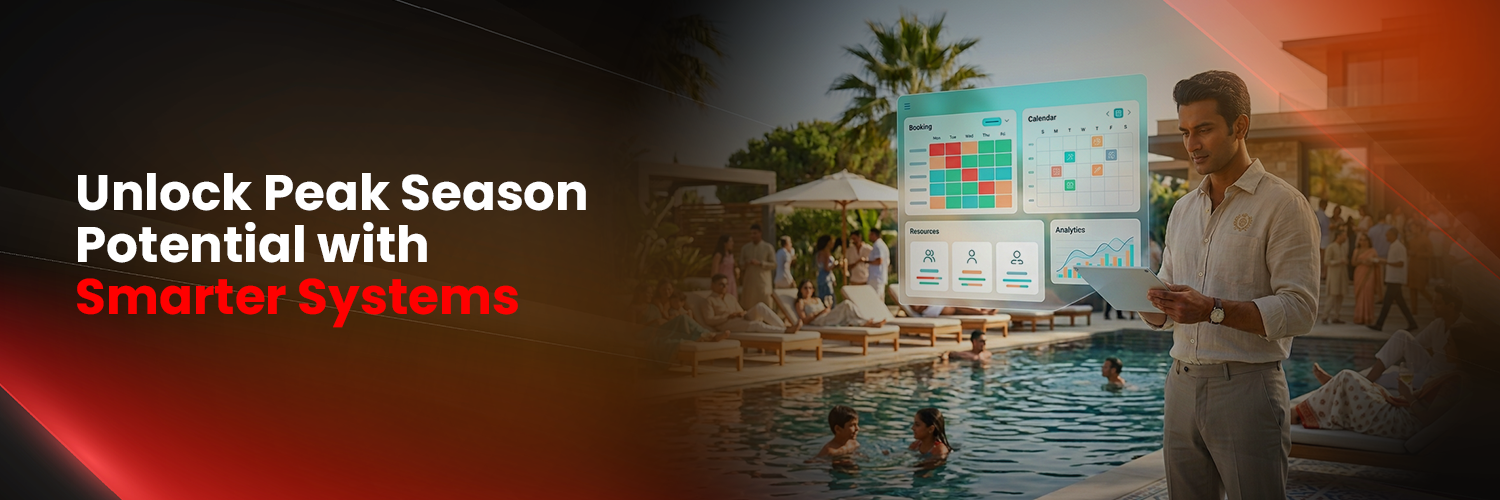
Centralized Event Planning and Bookings
With eCube’s event management module, clubs can plan all festive activities in one place. Event heads can create multiple events such as festive lunches, cultural programs, outdoor games, or community gatherings and define time slots, capacities, and booking rules in advance.
Members can:
- View event details clearly
- Book slots online instead of walking in
- Receive confirmations without follow-ups
This reduces last-minute confusion and helps clubs manage attendance in a controlled way.
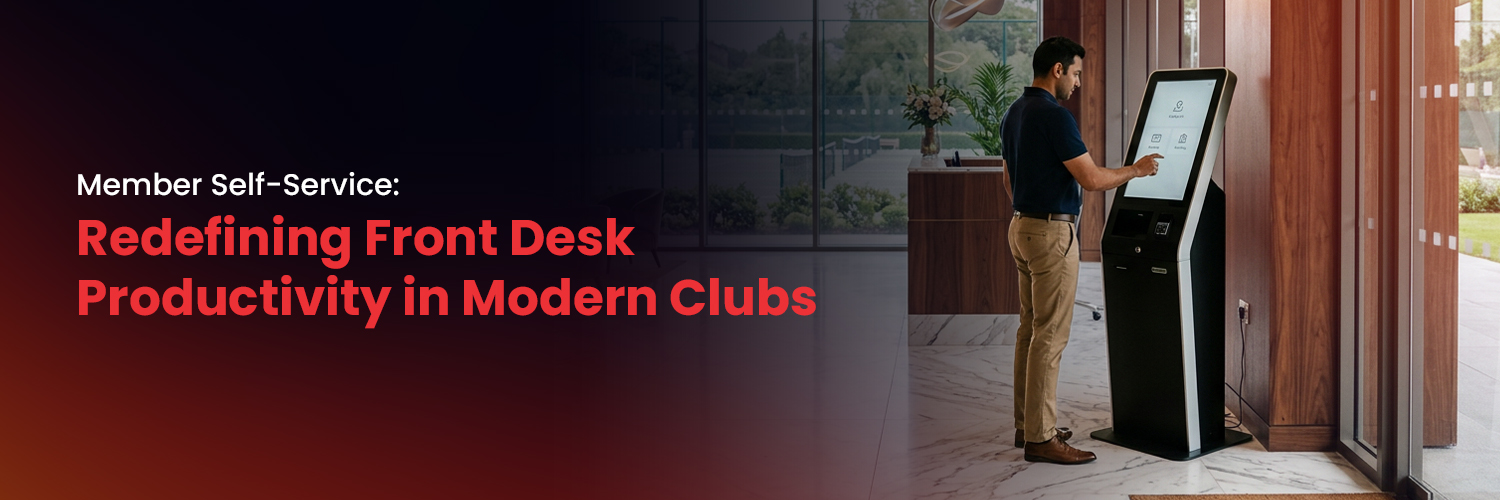
Controlled Entry and Crowd Management
During festivals, entry points often become pressure zones. eCube integrates with access control systems to manage member and guest movement across the premises.
Clubs can:
- Allow access based on valid bookings or memberships
- Track entry and exit in real time
- Avoid overcrowding in specific zones
- Reduce manual checks at gates
This keeps crowd flow steady while maintaining safety and comfort for members and guests.
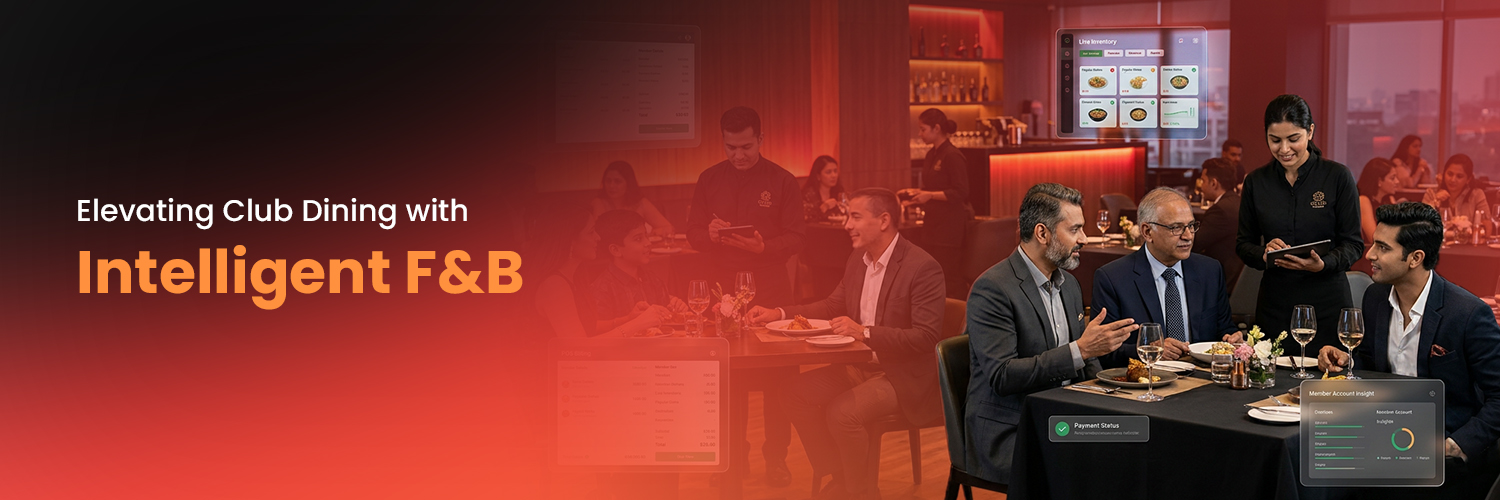
Faster, Accurate Festive Billing With Integrated POS
Festive food counters and special menus lead to high transaction volumes. eCube’s integrated POS system ensures billing stays fast and error-free even during peak hours.
With eCube POS, clubs can:
- Process payments quickly
- Link purchases to member accounts
- Monitor stock usage in real time
- Avoid billing disputes or delay
For F&B teams, this means smoother operations and better service during busy festive periods.
Clear and Consistent Communication
Festive events fail when information does not reach the right people at the right time. eCube helps clubs maintain consistent communication with both members and internal teams.
Clubs can:
- Share event schedules and booking rules
- Send reminders and updates to members
- Align staff with clear instructions
- Reduce repeated questions at front desks
This ensures everyone stays informed, reducing operational stress on the ground.
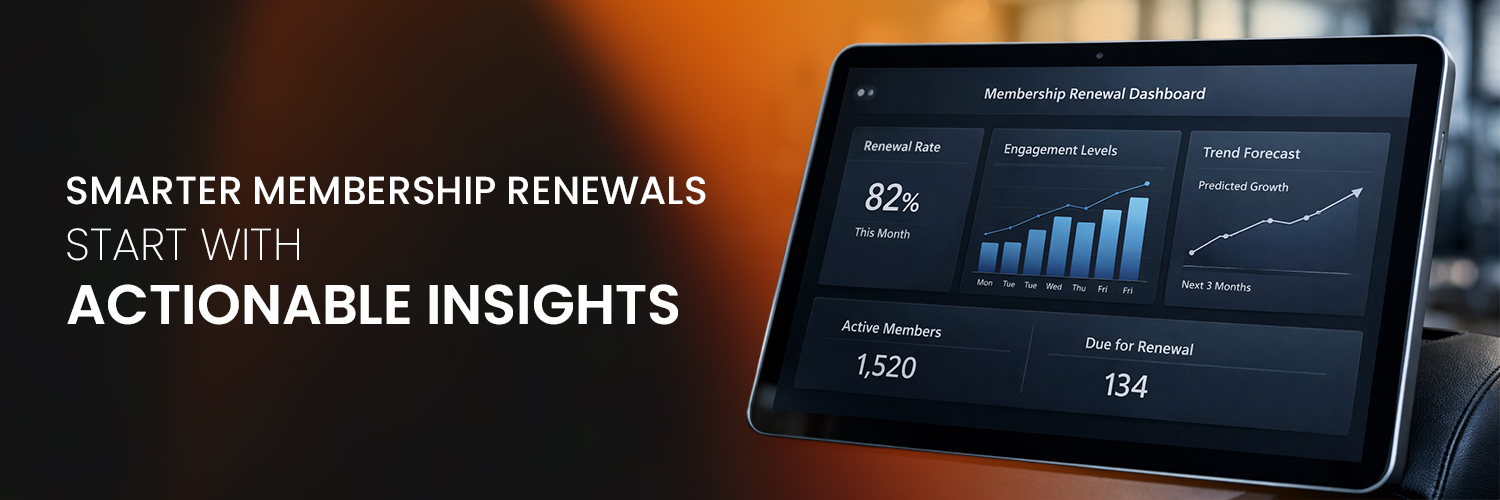
One Dashboard for Complete Visibility
What sets eCube apart is visibility. Club managers can monitor events, access, billing, and activity levels from a single dashboard.
This allows leadership teams to:
- Track festive participation trends
- Identify peak load times
- Review operational performance post-event
- Plan better for future festivals
Instead of reacting to problems, teams can stay ahead of them.
Bringing Cultural Celebrations and Operations Together
Festivals like Pongal and Makar Sankranti remind us why clubs exist in the first place. They are not just venues. They are community spaces where culture, tradition, and shared experiences come alive. For leisure clubs, residential communities, gymkhanas, sports clubs, and recreational facilities, these celebrations carry emotional value that members remember long after the event ends.
At the same time, festive days place real pressure on operations. Higher footfall, overlapping activities, guest access, and busy food counters can quickly turn into stress points if handled manually. What separates a well-run celebration from a chaotic one is well structured event planning and processes.
When event planning, access control, POS, and communication work as one connected system, club teams gain control without compromising the festive spirit. Members enjoy the celebration without friction. Staff operate with clarity rather than constant firefighting. Leadership gets visibility instead of surprises.
Well managed cultural events enhance member experience and contribute to the event's success. By supporting structured planning, controlled access, smooth billing, and clear communication, eCube helps clubs deliver cultural celebrations that feel authentic, welcoming, and well-organized.
Festivals will always bring energy and crowds. With the right operational foundation, they can also bring confidence, calm, and memorable member experiences.
FAQs
1. Why do festivals like Pongal and Makar Sankranti create operational challenges for clubs?
These festivals attract higher member and guest footfall, multiple parallel activities, and heavy food and beverage demand. Without structured planning, clubs often face crowd mismanagement, billing delays, and communication gaps.
2. How can clubs manage festive events without increasing staff workload?
Clubs can reduce manual effort by using digital event planning, advance bookings, automated access control, and integrated POS systems. This allows teams to manage higher volumes without adding unnecessary pressure on staff.
3. What role does event booking play in festive crowd control?
Advance event bookings help clubs control attendance, avoid overcrowding, and plan resources better. Members know where and when to participate, which reduces walk-ins and last-minute confusion.
4. How does access control help during peak festive days?
Access control systems help track member and guest entry in real time. They prevent overcrowding, improve safety, and reduce long queues at entry points, especially in large leisure clubs and sports facilities.
5. Why is POS integration important during festival celebrations?
Festive menus and special food counters increase transaction volumes. An integrated POS system ensures faster billing, accurate member account linking, and better inventory tracking during peak hours.
6. How can clubs improve communication during festival events?
Using centralized communication tools allows clubs to share event schedules, booking details, entry guidelines, and updates with members and staff. This avoids confusion and repeated queries on event days.
7. Can festive operations data help clubs plan better future events?
Yes. Event participation, peak timings, billing data, and access patterns provide valuable insights. Clubs can use this data to improve planning, staffing, and resource allocation for future celebrations.