
Christmas at a club is not just another date on the calendar. For an Amenities Manager or a General Manager, it is one of the most visible moments of the year. Members bring families, invite guests, and quietly decide whether the club still feels like a place they belong to. When planning is rushed or scattered, the experience shows. When it is thoughtful and well-managed, it becomes a memory members talk about long after the event ends.
This guide is written for leaders managing leisure clubs, residential communities, gymkhanas, sports clubs, and recreational facilities. It focuses on practical, clear steps for planning Christmas club events that feel warm, organized, and engaging. The goal is simple: help you avoid last-minute stress, use your team’s time wisely, and turn holiday event planning for clubs into a smooth, repeatable process that truly delights members.
Step 1: Start with the Experience, Not the Event List
Before locking venues or finalizing budgets, pause and define the experience you want members to walk away with. Christmas events fail when they are treated as isolated activities instead of one connected journey.
Ask yourself:
- Who are the primary attendees? Families, seniors, young professionals, or a mix?
- What mood suits your club culture? Festive and lively, calm and elegant, or family-focused?
- How should members feel when they leave? Welcomed, relaxed, proud of their club?
This clarity helps avoid poor planning and sets the foundation for strong club member delight strategies. It also ensures that every decision supports the same experience.
Step 2: Build a Clear Planning Timeline
Holiday party planning becomes stressful when deadlines live in people’s heads instead of on paper. A simple timeline keeps everyone aligned.
Four to six weeks before Christmas
- Finalize event themes and formats.
- Confirm budgets and approval flows.
- Block common facilities like banquet halls, lawns, or sports areas.
Three weeks before
- Open registrations or bookings.
- Lock vendors for décor, music, food, and activities.
- Publish a simple event calendar for members.
One week before
- Confirm headcounts.
- Test sound, lighting, and access control.
- Brief staff on roles and schedules.
This structured approach reduces last-minute chaos and helps your team deliver a consistent experience.
Step 3: Design Events That Fit Your Members
Not every club needs a single grand Christmas party. Many leisure clubs and residential communities see better engagement with a mix of smaller, focused events.
Popular Christmas club events include:
- Family brunch or high tea
- Kids’ craft corner or Santa meet-and-greet
- Members-only evening social
- Fitness or sports-themed holiday challenges
- Carols, live music, or movie nights
The key is balance. Too many events stretch resources, while too few miss engagement opportunities. Choose formats that reflect how your members already use the club.
Step 4: Use a Simple Christmas Party Checklist
Details are where holiday events often break down. A clear party checklist helps you stay in control without micromanaging.
Christmas party checklist essentials
- Venue readiness and seating layout
- Food and beverage menu approval
- Power, lighting, and backup arrangements
- Entry and access flow for members and guests
- Staff assignments and shift timings
- Emergency and crowd management plan
Having this checklist shared with your core team keeps everyone accountable and avoids confusion on the event day.
Step 5: Make Communication Clear and Timely
Missed member engagement opportunities often come down to weak communication. Members cannot attend what they do not fully understand.
Best practices for communication:
- Share event details early and repeat reminders closer to the date.
- Keep messages short and friendly.
- Clearly mention timing, dress code if any, and booking steps.
- Highlight what makes each event special.
Consistent communication builds anticipation and improves turnout, especially during busy holiday weeks.
Step 6: Support Staff with the Right Tools
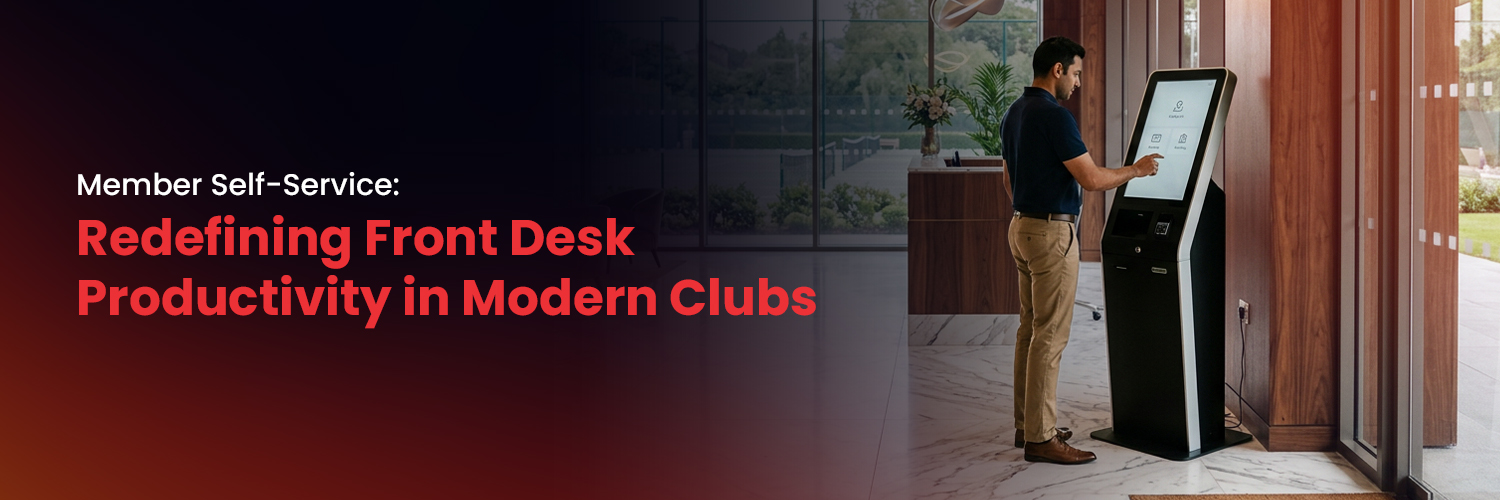
Christmas events place extra pressure on front desk teams, F&B staff, and facility managers. Without proper systems, even a well-planned event can feel disorganized.
Digital tools that help include:
- Centralized event booking and payment tracking
- Real-time headcount visibility
- Staff access to schedules and updates
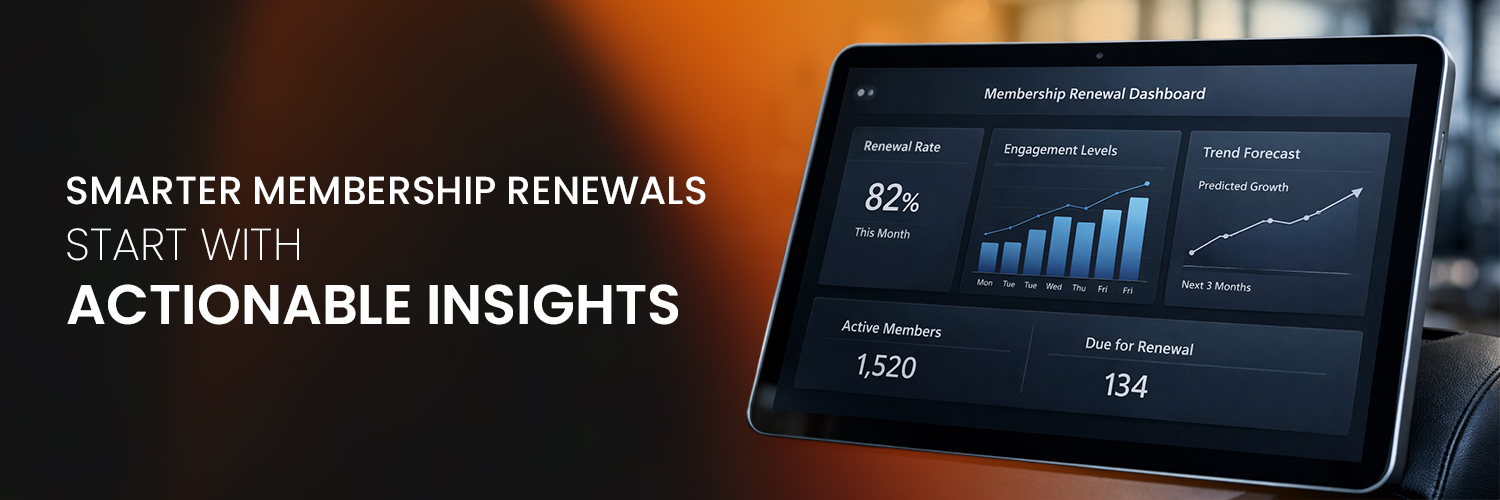
- Reports on attendance and revenue
Integrated club management software like eCube are designed to simplify event planning, bookings, billing, and reporting across leisure clubs and recreational facilities, helping managers focus on experience rather than paperwork.
Step 7: Deliver a Smooth Event-Day Experience
On the day of the event, members notice flow more than perfection. Long queues, unclear seating, or delayed service quickly dilute the festive mood.
Focus on:
- Clear entry and welcome points
- Visible staff support for seniors and families
- Smooth coordination between front desk and service teams
- Quick issue resolution without escalation
When operations run quietly in the background, members feel cared for without seeing the effort behind it.
Step 8: Review and Capture Learnings
Once Christmas passes, most teams move straight into the next cycle. Taking time to review is what separates average planning from great party planning year after year.
After the events:
- Review attendance, feedback, and costs
- Identify what worked well and what caused friction
- Note vendor and staffing learnings
- Save templates, checklists, and timelines for next year
These insights help you refine your holiday party planning process and build confidence for future events.
How eCube Simplifies Christmas Event Planning for Clubs
Christmas planning becomes complex when event details, member bookings, payments, and staff coordination are managed across emails, spreadsheets, and manual registers. This is where a unified club management system makes a measurable difference.
eCube supports holiday event planning for clubs by bringing all modules into one platform, helping managers stay in control without adding workload.
Here is how eCube adds value during Christmas events across leisure clubs, residential communities, gymkhanas, sports clubs, and recreational facilities:
- Centralized event setup and bookings
Create Christmas events, manage registrations, and track attendance from a single dashboard. This avoids overbooking and last-minute confusion. - Integrated payments and billing
Members can book and pay for events online, reducing front desk pressure during peak holiday hours and improving payment visibility. - Member communication and updates
Share event details, reminders, and last-minute updates directly with members, ensuring better turnout and fewer missed messages. - Staff coordination and access control
Align front desk, security, and F&B teams with clear event schedules and access permissions, especially for high-footfall Christmas club events. - Post-event insights
Access reports on attendance, revenue, and member participation to understand what worked and what can improve next year.
By reducing manual effort and improving visibility, eCube allows club leaders to focus on experience delivery rather than operational firefighting during the busiest season of the year.
A Strong Finish: Turning Christmas Events into Meaningful Member Experiences
Christmas events are one of the few moments in the year when members engage with the club beyond their usual routines. For club managers, success is not measured by how many events were hosted, but by how smoothly they ran and how connected members felt during and after them.
With structured planning, a clear Christmas party checklist, and the right systems in place, holiday party planning becomes predictable instead of stressful. A robust club management software such as eCube can help transform party planning from a manual task into a well-managed process that supports staff, engages members, and protects the club’s brand experience.
When Christmas events are planned with care and executed with clarity, they stop being seasonal obligations and start becoming traditions that members look forward to year after year.
FAQs
1. When should clubs start planning Christmas events?
Clubs should ideally start planning Christmas events four to six weeks in advance. This allows enough time to finalize event formats, confirm budgets, lock venues, and communicate details to members. Early planning also reduces last-minute stress and improves staff coordination.
2. What are the most common mistakes clubs make during Christmas event planning?
The most common issues include starting too late, managing events across multiple tools, unclear staff responsibilities, and poor member communication. These gaps often lead to overcrowding, long queues, or missed member engagement opportunities during Christmas club events.
3. How many Christmas events should a club plan?
There is no fixed number. Successful holiday event planning for clubs focuses on quality rather than quantity. Many leisure clubs and residential communities see better engagement with a mix of two to four well-planned events that cater to different member groups such as families, seniors, or working professionals.
4. What should be included in a Christmas party checklist?
A practical Christmas party checklist should cover venue readiness, seating layout, food and beverage planning, staff schedules, access flow, safety arrangements, and communication plans. Having a shared party checklist helps teams stay aligned and avoid confusion on event day.
5. How can clubs improve member participation in Christmas events?
Clear communication is key. Sharing event details early, sending reminders, and highlighting what makes each event special can significantly improve turnout. Making registration and payments easy also plays a big role in increasing participation.
6. How does eCube help with Christmas event planning?
eCube helps clubs manage Christmas club events from a single platform. It supports event setup, member bookings, online payments, staff coordination, and post-event reporting. This makes party planning more structured and reduces manual work during peak holiday periods.
7. Is eCube suitable for different types of clubs?
Yes. eCube is designed for leisure clubs, residential communities, gymkhanas, sports clubs, and recreational facilities. Its modular approach allows clubs to use only the features they need while still managing events, memberships, and operations efficiently.
8. Can clubs review event performance after Christmas?
Yes. Reviewing attendance, revenue, and member participation helps clubs understand what worked well and what needs improvement. Using reports and insights allows managers to plan better Christmas events year after year and build stronger club member delight strategies.