
Introduction
The festive season brings a sharp rise in activity across leisure clubs, residential community clubs, gymkhanas, sports clubs, and recreational facilities. Members book more events; F&B counters stay busy, and families spend more time at the club. While this creates strong revenue opportunities, it also exposes the gaps that many club owners and finance managers already struggle with. The most common issues include limited financial visibility, leakages across departments, and the difficulty of planning resources for unpredictable festive demand. In many cases, using data analytics for club management helps reduce these uncertainties and gives teams greater clarity.
This is why more clubs are turning toward data-driven forecasting. Modern Business Intelligence dashboards bring together information from membership usage, F&B sales, amenities, events, and payments to show clear trends before the season begins. The result is better planning, fewer surprises, and a stronger bottom line. Clubs can also begin applying predictive analytics for holiday season planning to understand expected footfall and likely revenue opportunities.
This blog provides a clear and structured understanding of how BI dashboards support holiday revenue planning. It explains how data helps reduce uncertainty, control costs, and improve the holiday experience for members, while giving club leaders a thorough understanding of these attributes.
Why Holiday Revenue Forecasting Matters for Modern Clubs
Holiday periods amplify both strengths and weaknesses. Clubs that operate smoothly throughout the year tend to scale better during peak season, but clubs without financial visibility often face challenges such as:
- High workload on staff without proper forecasting
- Stock-outs in F&B due to poor demand planning
- Missed revenue from underpricing or unmonitored usage
- Cash flow pressures caused by delayed collections
- Difficulty analyzing which events or amenities are truly profitable
Many of these issues can be reduced by using forecasting tools that draw insights directly from operational data.
Forecasting is not only about prediction. It helps club owners answer important questions such as:
- Which days will see the highest member turnout
- Which amenities will drive the most revenue
- How much inventory is required across F&B, sports, or wellness
- Which packages or promotions attract more bookings
- Whether the club is losing money due to leakages or inefficiencies
Clubs that use inventory planning as part of their forecasting workflow often experience fewer stock-outs and better cost control.
With BI dashboards supplying valuable insights, decisions shift from guesswork to data-backed planning. This allows clubs to prepare for member demand with greater accuracy and ensure more efficient management during peak periods.
How BI Dashboards Support Revenue Forecasting During Festive Seasons
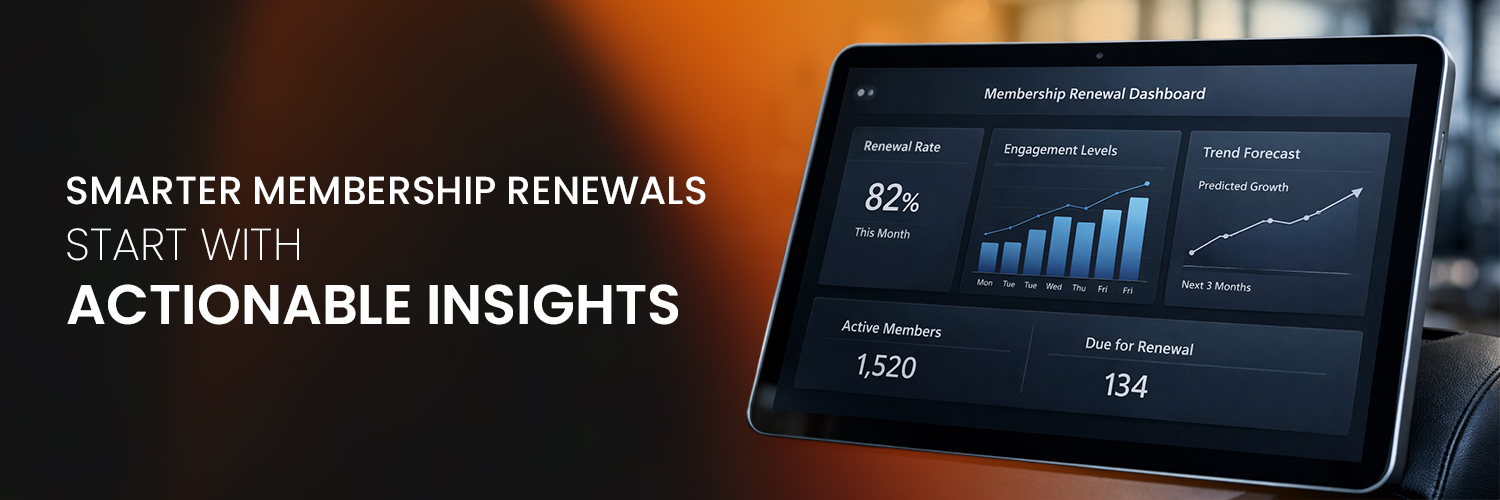
A well-designed BI dashboard helps club owners and finance leaders monitor performance and forecast future outcomes. In software like eCube, the dashboard integrates operational, financial, and member activity data into a single view. This central visibility supports more effective planning and can even improve online holiday sales performance when clubs run seasonal promotions.
Here are the keyways it supports holiday planning:
1. Understanding revenue patterns
Dashboards highlight month-wise and year-wise revenue trends across memberships, F&B, amenities, events, and room bookings. By comparing previous festive seasons, club owners can estimate what to expect during the upcoming one and use predictive models to improve accuracy.
2. Monitoring member behavior
Clubs can identify:
- Popular booking times
- Most used facilities
- Members who drive higher spending
- Members who may be at risk of inactivity
These insights help design targeted holiday promotions or bundled packages that respond to seasonal demand more effectively.
3. Spotting revenue leakages
Clubs often lose money through unrecorded usage, manual errors, inconsistent billing, or poor stock management. eCube’s BI tools provide real-time visibility into transactions, inventory movements, and billing accuracy, helping reduce these losses through stronger data analytics for club management practices.
4. Managing inventory and procurement
Holiday seasons see higher consumption, and BI dashboards track stock levels, F&B consumption trends, and purchase cycles. This helps clubs avoid both wastage and stock shortages and contributes to more accurate inventory planning.
5. Predicting staffing needs
During peak season, staffing gaps can slow service quality, but analytics reveal which counters, amenities, or events require additional staff support and where forecasting can improve team allocation.
6. Improving cash flow visibility
Dashboards capture pending invoices, overdue payments, and member dues. Finance teams can forecast cash flow more accurately and plan collections before the season begins.
Key Metrics Club Owners Should Track During the Festive Season
A strong forecasting strategy depends on the right indicators. BI dashboards allow club owners to monitor:
- Daily and weekly revenue
- Member footfall
- Revenue per member and per facility
- F&B sales by category
- Event bookings and occupancy
- Inventory turnover
- Payment recovery and outstanding dues
- Profitability of different activities
Adding data analytics into this process strengthens decision-making and helps clubs respond better to seasonal demand.
How eCube Strengthens Revenue Forecasting for Clubs
eCube is designed specifically for leisure clubs, residential community clubs, gymkhanas, sports clubs, and recreational facilities. Its built-in BI dashboard provides a unified view of the entire club’s operations, covering membership, F&B, events, amenities, billing, and access control.
Some key advantages include:
- A single dashboard that shows real-time performance data
- Integrated reports that highlight trends and profit drivers
- The ability to drill down to individual member patterns
- Custom reports for finance teams and department heads
- Insights that reduce revenue leakages and improve forecasting
When clubs adopt eCube, their ability to use data analytics for club management improves significantly, which leads to better planning for online holiday sales and higher revenue stability.
For clubs that experience high member activity during the festive season, this level of visibility removes uncertainty. Owners and finance managers can plan confidently, allocate budgets, and introduce targeted offers that match member behavior.
Conclusion
Holiday seasons are a high-value window for clubs, and the right forecasting approach can turn this period into a strong and predictable revenue cycle. When club owners and finance teams rely on data instead of assumptions, they gain better control over operations, reduce leakages, and respond to member demand with confidence.
eCube supports this shift by giving leisure clubs, residential community clubs, gymkhanas, sports clubs, and recreational facilities a fully integrated BI dashboard that brings together revenue, usage, payments, and the complete member journey. It simplifies financial tracking, highlights trends early, and helps clubs make decisions that strengthen both revenue and member satisfaction through strong data analytics and forecasting capabilities.
To experience book a demo how eCube can support your forecasting and operational planning, today.
FAQs
1. Why is holiday revenue forecasting important for clubs?
Festive seasons increase member activity and spending, but also expose inefficiencies in staffing, inventory, and billing. Forecasting helps clubs plan resources, control costs, and maximize revenue.
2. How do BI dashboards improve revenue prediction?
BI dashboards consolidate membership, F&B, events, and financial data in real time. This allows managers to identify patterns, track member behavior, and predict footfall and spending before peak periods.
3. What club data should be monitored during the festive season?
Key metrics include daily and weekly revenue, member footfall, revenue per facility, F&B sales by category, event bookings, inventory turnover, payment recovery, and activity profitability.
4. How can clubs prevent revenue leakages during peak periods?
Analytics reveal unrecorded usage, manual errors, and inventory discrepancies. By integrating billing, POS, and inventory systems, clubs reduce losses and ensure accurate accounting.
5. How does forecasting help with staffing and inventory planning?
Predictive insights show which amenities and events will be busiest. Clubs can allocate staff efficiently and manage stock levels to avoid shortages or wastage.
6. How does eCube support holiday revenue forecasting?
eCube’s integrated BI dashboard gives a unified view of memberships, F&B, events, billing, and access. Real-time data, custom reports, and drill-down analytics help clubs plan, reduce leakages, and make informed decisions.